About Stainless Steel Angle
Stainless Steel Angle
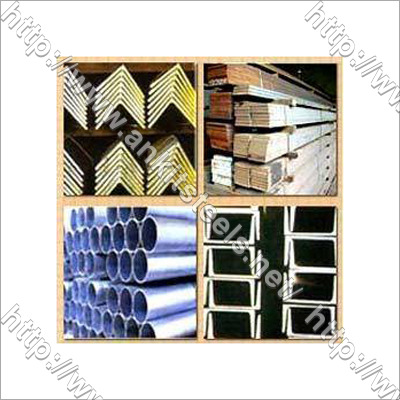
Our company is noted as one of the well known manufacturers and importers of Stainless Steel Angle. Known for their sturdy structure and precision engineering, these structural sheets are extensively used in the construction of steel. Our wide range of structural steel products is stringently checked on various parameters before the final shipment at our client's end. Stainless Steel Angle offered by us are available in various sizes as per the client's specifications and demands.
Specifications:
| Product | Flat, Angel, Channel, Beam, Tee, Tray, Torr, Square Pipe, Rectangular Pipe etc. |
| Stainless Steel in Grade | 202, J4, J1, LN4, 304, 304L, 304H, 316, 316L, 316H, 309, 310, 321, 317L, 347, 202 etc. |
| Non Ferrous Metal | Aluminum, Copper, Brass, etc. |
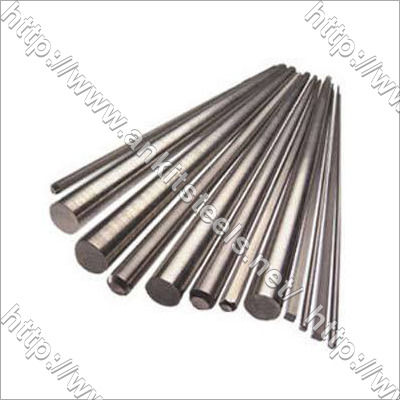
Precision and Flexibility for Every ProjectOur stainless steel angles feature a length tolerance of 5mm. With widths ranging from 20mm to 150mm and thicknesses from 3mm to 10mm, custom sizing is available upon request. Every bar maintains a consistent, high-quality finish, whether hot rolled, pickled, or polished. Each piece is inspected to meet international standards like ASTM A276, JIS G4303, and EN 10056.
Superior Properties, Versatile SolutionsManufactured in SS304 or SS316, these angle bars showcase excellent weldability, high tensile strength (515690 MPa), and advanced corrosion and heat resistance. Ideal for frameworks, bracing, and reinforcement, their composition of chromium, nickel, and other alloying elements ensures stability and longevity in demanding environments.
Tailored Supply and Dependable DeliveryWe accommodate specific project requirements with custom lengths, grades, and finishes. Products are securely packed in export-worthy bundles, ensuring safe transit. Our negotiable minimum order quantity supports both small and large-scale needs for traders, suppliers, and manufacturers across India and overseas.
FAQs of Stainless Steel Angle:
Q: How are stainless steel angles manufactured and finished?
A: Stainless steel angles are produced using hot rolled or cold drawn methods, resulting in either sharp or rounded edges based on the process. They are supplied in an annealed state for easier fabrication and available in mill, pickled, or polished finishes as per project requirements.
Q: What are the typical applications for stainless steel angle bars?
A: These angles are widely used in construction, industrial frameworks, bracing, reinforcement, and fabrication. Their excellent strength and corrosion resistance make them suitable for both indoor and outdoor structural uses.
Q: When should I choose between SS304 and SS316 grades?
A: SS304 is ideal for most structural and general applications due to its good corrosion resistance. For harsher environments, especially those exposed to marine or chemical conditions, SS316 is recommended due to its superior resistance to pitting and higher operating temperature limits.
Q: Where are your stainless steel angles supplied from, and what packing is used?
A: We supply from India with standard export seaworthy packing. Bundles are securely strapped to ensure product integrity during transportation and handling, making them suitable for both domestic and international shipments.
Q: What is the process for ordering custom sizes or finishes?
A: Clients can specify required dimensions, grades, and surface finishes. After confirming specifications and minimum order quantity, we manufacture and deliver according to your projects needs, providing flexibility for custom or bulk orders.
Q: How do I benefit from the formability and weldability of your angles?
A: Our annealed stainless steel angles provide excellent weldability and good formability, making them easy to cut, join, and shape according to complex architectural or industrial designs, thus reducing fabrication time and costs.
Q: What makes your stainless steel angle bars environmentally friendly?
A: These angle bars are 100% recyclable, contributing to sustainable building practices. Their material longevity also reduces the need for frequent replacements in structural applications.